
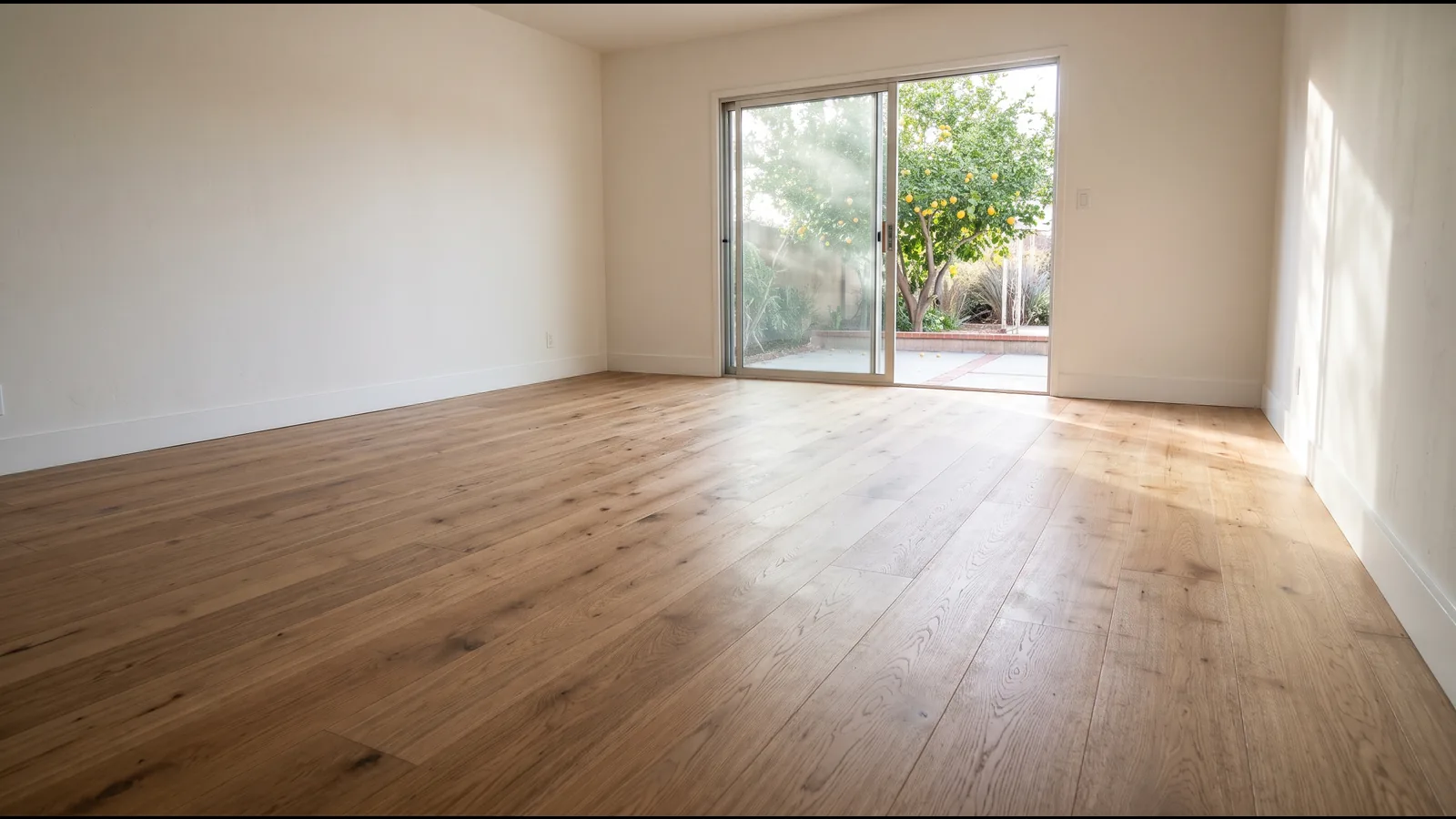
Wide Plank Widths and Surface Textures
Fixr says most standard flooring boards are 2 to 3 inches wide. Anything from about 5 inches up reads as plank, and every extra inch changes the price, the fastening and how the floor behaves through the year.
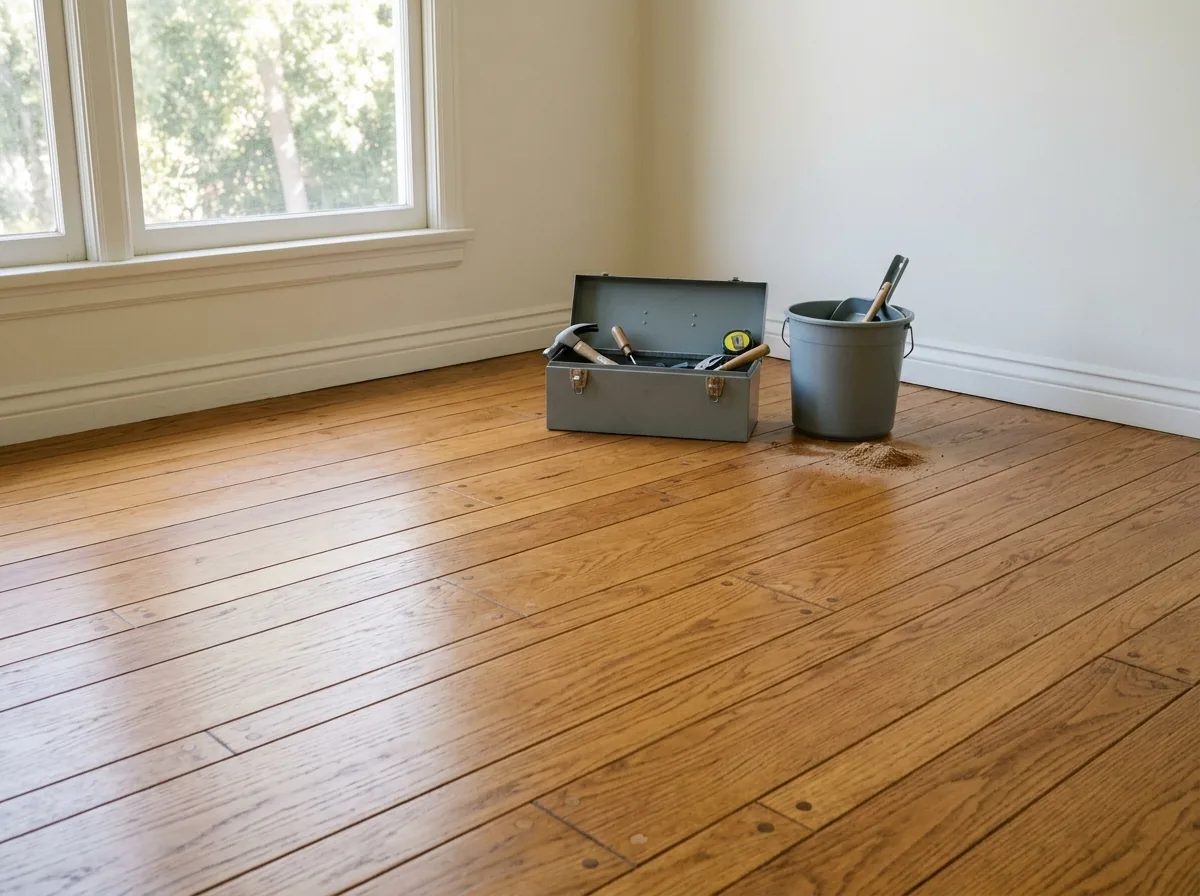
5 to 6 Inch Planks
The easiest step up from strip, and still available in solid oak at a fair price. Fixr's width table, boards only:
- 5 inch: $4 to $7 a sq ft
- 6 inch: $6 to $9 a sq ft
At 5 inches NWFA's extra-fastening rule kicks in for solid planks: screws hidden under wood plugs at the board ends, an approved flooring adhesive along with the nails, or relief cuts in the back of each board. NWFA adds that none of these will necessarily stop cupping. They hold the board; they don't change the wood.
7 to 8 Inch Planks
Here the board starts to dominate the room. Fixr lists 7 inch boards at $8 to $10 a sq ft before labor. HomeGuide's view is that wider boards cost more to buy but can save some installation time, since fewer rows go down. Flat-sawn oak is the usual cut at this width; one mill notes that plain-sawn comes in wider widths than rift and quartered. That matters, because plain-sawn is also the cut that moves most across its width (see White Oak Flooring for the cuts).
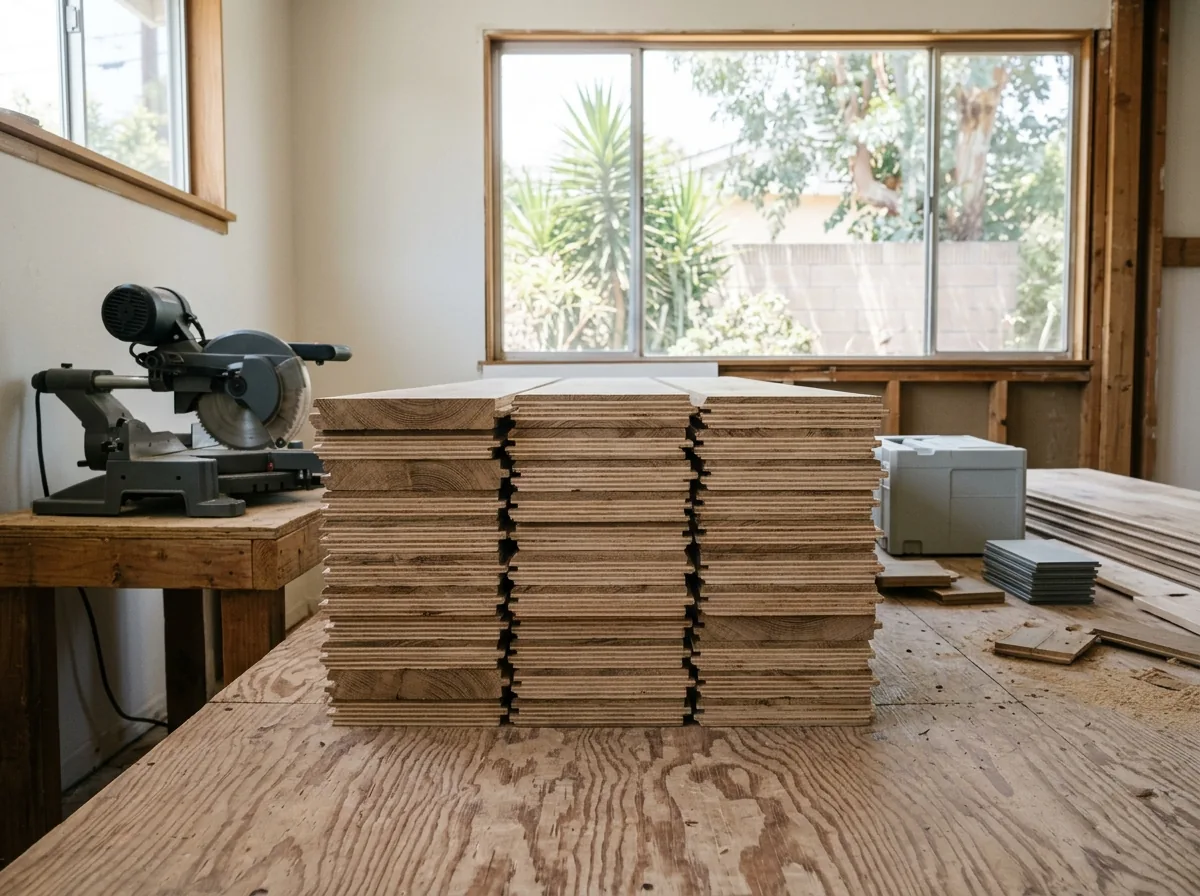
9 Inch and Wider: Usually Engineered
Fixr's table tops out at 12 inch boards for $10 to $12 a sq ft. At these widths we'd lean toward engineered planks. Fixr describes engineered cores as cross-layered plywood that is unlikely to swell, buckle or warp, while NWFA states plainly that narrow boards are more stable than wide ones. A 10 inch solid board has five times the width of a 2 inch strip to swell and shrink. Engineered planks can also be glued or floated on concrete, which solid planks generally can't; slab methods are on Hardwood Floors Over Concrete, and core and wear-layer choices on Engineered Hardwood Installation.
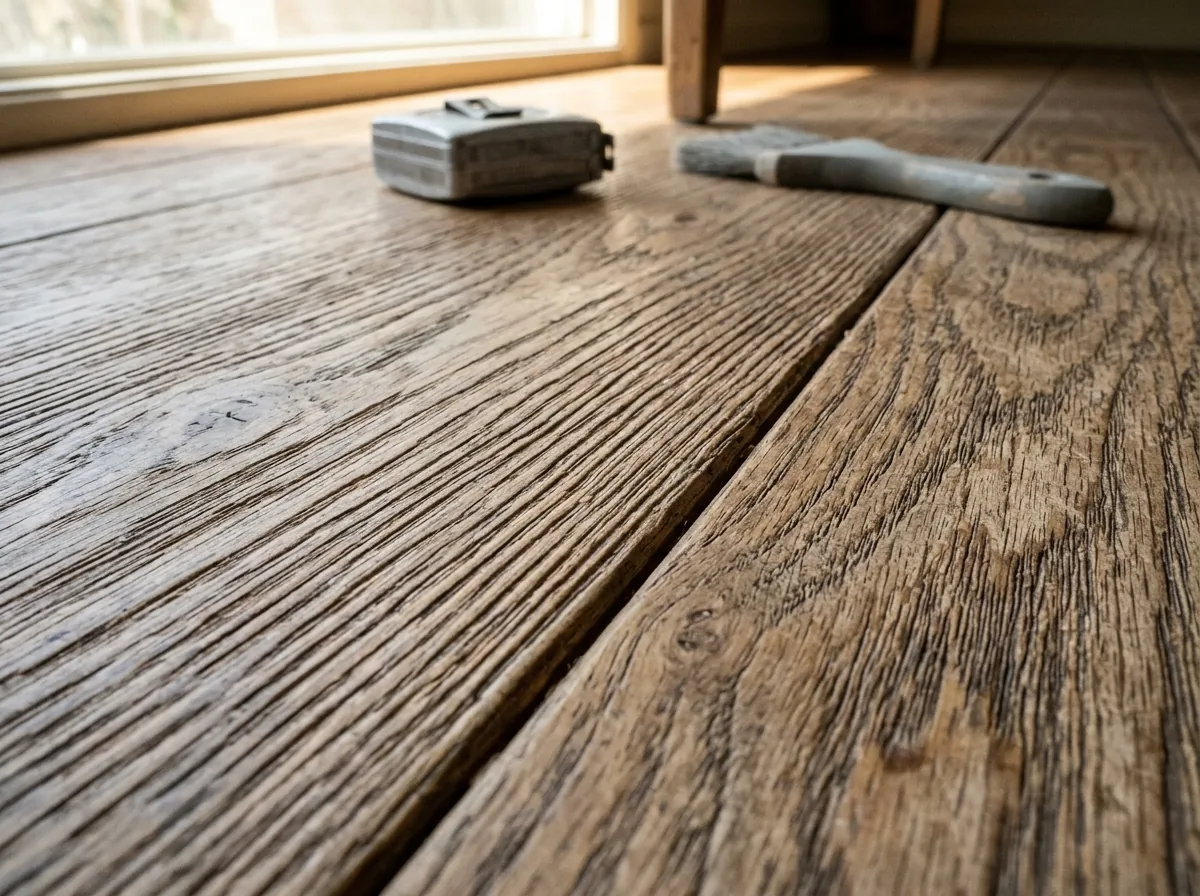
Wire-Brushed and Hand-Scraped Surfaces
In our view texture suits wide planks, since a big smooth board shows every small dent. Two kinds:
- Wire-brushed: one retailer says it brings up the grain and strips out the soft sapwood at the same time.
- Hand-scraped: deeper, irregular scoops that make the floor look worn in. Fixr notes hand-scraped boards cost more than smooth ones because they take more labor to make.
Think about the second finish before you buy the first. The same retailer says a distressed floor is refreshed with an abrader that removes only the finish, and that sanding a textured engineered floor flat can cut through the wear layer to the ply underneath.
Why Torrance homeowners call Torrance Wood Flooring
- Free to call or use the form; the referral costs you nothing
- Your request goes to one independent contractor, not a bidding list
- Ask for a moisture reading and a written line-item estimate
- California caps the down payment at 10% or $1,000, whichever is less
Cupping and Gaps: Why Width Raises the Stakes
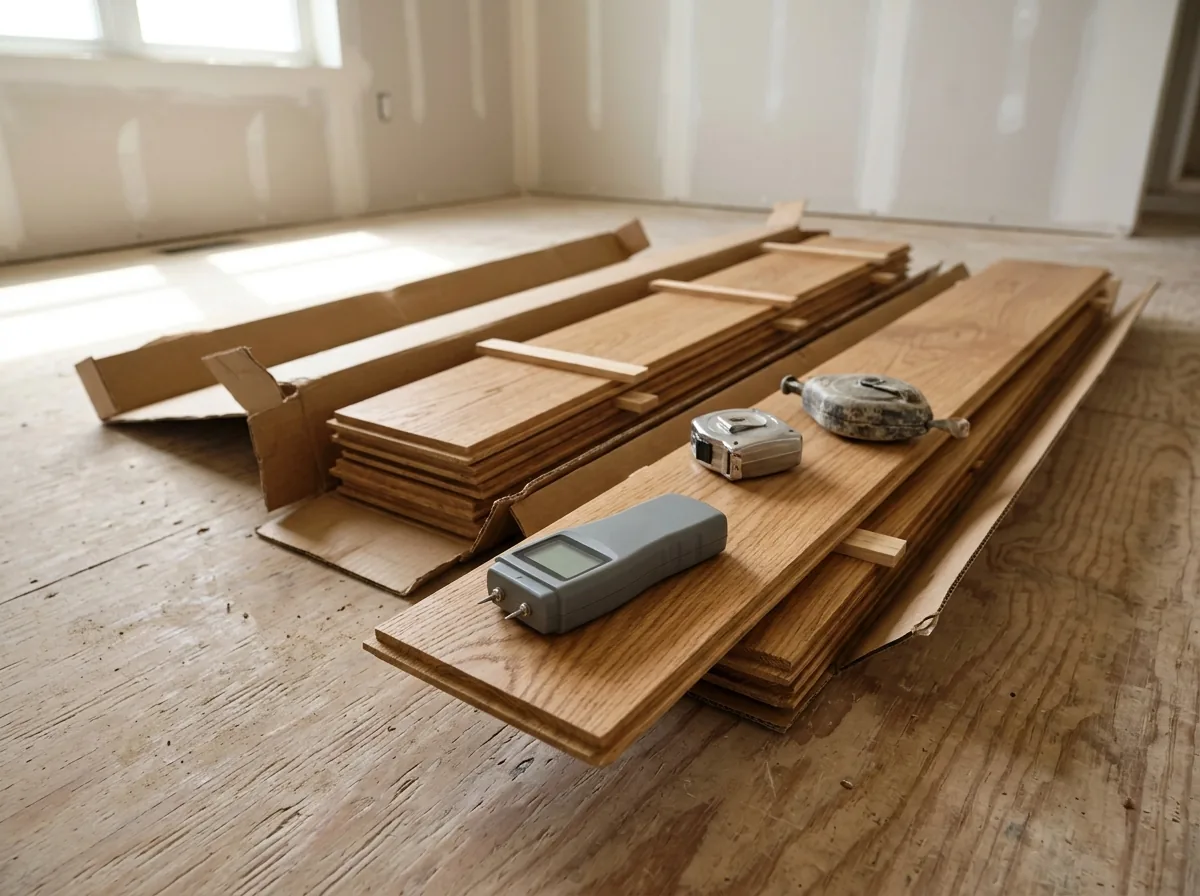
Wood swells and shrinks across its width as the air gets damper or drier. On a 2-1/4 inch strip that movement spreads over many joints; on an 8 inch plank it collects in fewer, wider gaps in a dry season and in cupped edges in a damp one. This is why NWFA tightens the moisture rule for planks: wood and subfloor within 2 percentage points of each other for boards 3 inches and wider, against 4 for strip. Hardwood Floor Installation has the full acclimation steps.
What helps a wide floor most:
A stable room
NWFA's target is 30 to 50% indoor humidity year-round; the homepage covers how Torrance's coastal climate plays into that.No sleepers for solid planks
Wide solid boards don't belong on sleepers over a slab; NWFA steers boards of 4 inches and up away from that method.Rift or quartered grain
if the budget allows, since NWFA rates it more stable in width than plain-sawn.A mixed-width layout
(for example 5, 7 and 9 inch boards together) if you want the plank look with less of the widest board's movement.
Questions to Ask About a Wide Plank Quote
- Solid or engineered, and what thickness?
- How will planks 5 inches and wider be fastened: plugs, adhesive or both?
- What moisture readings did the boards and subfloor give before install day, and are they written down?
- Does the price include site finishing, or are the planks prefinished?